

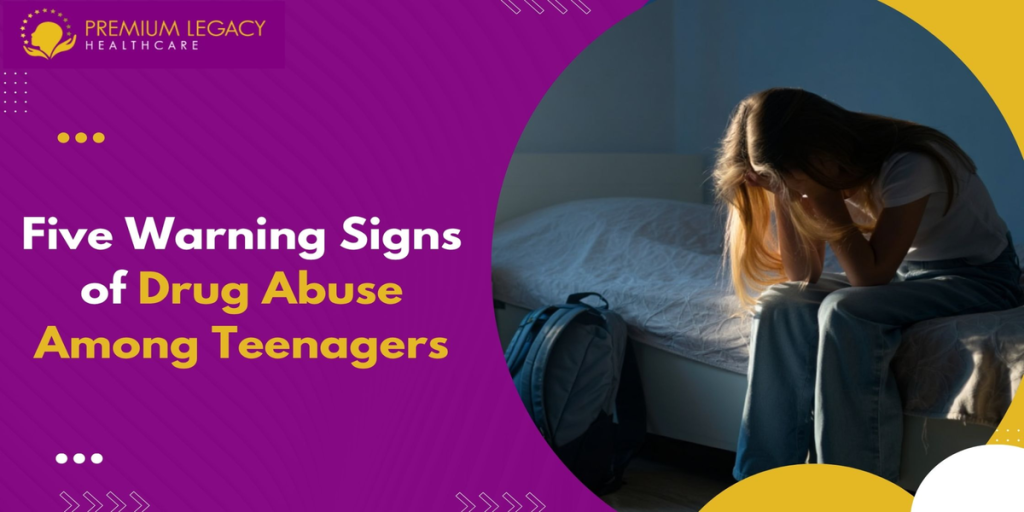
Transition from childhood to adulthood is a memorable and critical phase of life. For teenagers, this period often marked a phase of new and challenging experiments. Curiosity can lead teens to try new things, like alcohol or drugs. What starts as experimentation can quickly get out of control and turn into drug addiction if not addressed early.
Let us explore 5 warning signs showcasing a teenager facing a drug abuse issue:
Key Warning Signs to recognize in Teens
When it comes to identifying drug abuse, every substance will have a different set of symptoms. However, there are common symptoms that denote teens need substance abuse treatment. This includes:
1. Physical Change
One of the earliest visible signs that teenagers experience drug abuse is their physical changes. These signs may include:
- Sudden appearance changes or unusual clothing choices are used to hide marks.
- Health-related symptoms such as fatigue, headaches, slurred speech, and sleep disruptions.
- Other signs include rapid weight changes, poor hygiene, nasal irritation, and avoiding eye contact.
These warning signs should never be ignored, especially when multiple symptoms occur together.
2. Psychological Change
Teenagers involved in drug abuse can face psychological changes that often appear as mood swings, irritability, or sudden emotional instability. They may struggle to focus, become impulsive, or engage in risky behaviors. Depression-related symptoms such as anxiety, crying, and low energy are also common. These emotional warning signs may indicate stress, especially when combined with other physical changes.
3. Behavioral Change
Behavioral changes can indicate growing challenges in a teenager’s life. Some common warning signs include sudden personality shifts, irresponsible behavior, lack of interest in hobbies, and poor judgment. Teens may frequently break deadlines, make excuses, or become withdrawn. These behavioral patterns often develop gradually and may signal drug abuse.
4. Environmental Change
Environmental clues can also help you to identify potential concerns in a teenager’s surroundings. You may notice unusual smells on clothing or in bedrooms, hidden medicine, or unfamiliar items. Teenagers may begin locking doors, making secretive calls, or disappearing for long periods. These changes can indicate growing behavioral shifts that require attention and addressing.
5. Changes in Social Behavior
Social behavior changes can strongly indicate emotional or behavioral struggles. Teenagers may isolate themselves from family or friends more frequently. Some may engage in inappropriate behaviors such as fighting, stealing, or ignoring responsibilities. They may also give up activities they once enjoyed or avoid social events. These social shifts often develop gradually and may signal the need for guidance and early intervention.
How to Deal with The Issue?
When a teen is struggling with substance use, they may become panicked, irritable, or experience withdrawal symptoms. Instead of confronting them immediately, parents should seek guidance from an expert addiction counselor. A professional team offering therapy for mental well being helps you prepare emotionally, understand treatment options, and address concerns calmly. They promote open communication, reduce conflict, and guide your teen toward the right support and recovery.
End Note
Recognizing warning signs early for drug abuse in teens can help prevent long-term challenges and support a healthier life. That’s why parents and caregivers need to observe changes and encourage open communication. If your young child has any such signs outlined above, you should immediately seek a professional consultant from Premium Legacy Healthcare. Our experts offer reliable solutions for substance abuse treatment and care. Contact our team today and help your teen live a peaceful life again.